
A federal court blocked the end of Duration of Status. What F1 students need to know now
September 15th 2026 | ~ 7 Min Read | New Duration of Status Rule
September 15 was supposed to be a very different day for international students.
Under a Department of Homeland Security rule scheduled to take effect today, the United States was going to end the longstanding Duration of Status system for F-1 students, J-1 exchange visitors and I visa holders. In its place, students and exchange visitors would have been admitted for fixed periods of time.
That didn't happen.
On September 14, one day before the rule was due to take effect, a federal judge issued a preliminary injunction postponing its implementation.
For the time being, Duration of Status stays.
If you've spent the past several weeks trying to understand what September 15 would mean for your I-94, your OPT, an upcoming trip or your plans for another degree, this gives you some breathing room.
It doesn't necessarily give you a final answer.
What happened on September 14th?
The case is Presidents' Alliance on Higher Education and Immigration et al. v. U.S. Department of Homeland Security et al., filed in the U.S. District Court for the District of Massachusetts on August 18.
The lawsuit challenged the DHS final rule that would have replaced Duration of Status admissions with fixed periods of admission for F-1 students, J-1 exchange visitors, I representatives of foreign information media and their dependents.
On September 14, the district court issued a preliminary injunction. The order prevents DHS from implementing the new rule for the time being.
That's the important part for students.
The rule was supposed to take effect September 15. It hasn't.
So what happens to F-1 students now?
For now, you continue under Duration of Status.
If you're an F-1 student, you're probably familiar with the letters "D/S" on your I-94. Rather than giving most students a specific date by which they have to leave the country, D/S generally allows an F-1 student to remain for the duration of the authorized educational activity, provided the student continues to maintain status.
The DHS rule would have changed that structure dramatically. Students would have been admitted for fixed periods and, in certain circumstances, would have needed to apply for an extension of stay.
That change is now on hold.
This is especially important because there was a lot of understandable confusion about what would happen to students already in the United States when September 15 arrived.
For now, there is no switch today from D/S to the new fixed-period system.
What about the other changes that were supposed to happen?
The fixed admission period wasn't the only reason students were concerned about the new rule.
It also contained changes affecting program extensions, grace periods, transfers, changes in educational level and the relationship between immigration status and practical training.
Those changes were all part of the rule DHS was preparing to implement on September 15.
Because the court has temporarily blocked DHS from implementing the final rule, students should continue following the rules currently in effect unless DHS, SEVP, their school or a court provides new instructions.
In practical terms, don't start operating as though the September 15 rule took effect. It didn't.
And if you already made plans based on the expected change, this is a good time to speak with your DSO before undoing those plans.
This isn't necessarily over
This is the part of the story that is easy to miss.
A preliminary injunction isn't the same thing as the government permanently abandoning the rule.
Fragomen, which reported on the September 14 decision, expects the government to move quickly to appeal the district court's ruling.
That means the situation can change again.
We don't know today how the appeal will unfold, how quickly another court might act or what DHS will ultimately do with the regulation. Students should be careful about treating either extreme as settled fact.
The new rule isn't taking effect today.
That doesn't mean it can never take effect.
For students making decisions about a multi-year degree, international travel, OPT or another academic program, that distinction matters.
If you changed your plans because of September 15th
Over the summer, we spoke with students who were trying to make decisions around the September 15 deadline.
Some were worried about traveling outside the United States. Others were trying to understand whether they should begin another program before the rule changed. Doctoral students were concerned about how a fixed admission period could interact with programs that take several years to complete.
If that sounds familiar, don't assume you now need to do the opposite of whatever you decided in August.
Talk to your DSO first.
For example, if you cancelled an international trip because you were concerned about returning after September 15, the injunction may change the calculation. But your visa validity, passport, I-20, travel signature and individual immigration circumstances still matter.
Likewise, if you were rushing into another academic program because you thought September 15 was your last opportunity, you now have time to look at the academic decision itself.
That's a much better reason to choose a degree.
Does moving to a higher degree level still make sense?
For some students, yes. But it should make sense academically and professionally, not simply because you're afraid of a regulatory deadline. We've had this conversation frequently with students considering their next degree.
A master's degree can be the right next step for someone looking to build specialized skills or advance their career. An MBA or EMBA can make sense for someone looking to strengthen their business and leadership background. Programs like MSIST, MSDA, or MSHA can be a logical choice for students looking to develop more specialized expertise in technology, data, or healthcare. And a Doctor of Business Administration, for example, can be a logical next step for someone who already has a master's degree and wants to move into a doctoral-level program.
EduConnect works with Alliant University's California School of Management and Leadership across these programs. For the right student, pursuing a master's, specialized degree, MBA, EMBA, or doctorate can make sense because of the student's career and academic plans.
That was true before the DHS rule was published, it was true while everyone was preparing for September 15, and it remains true now that the rule has been blocked.
But "the regulations might change" shouldn't be the only reason you enroll in a degree. Ask yourself the harder question: would you still want this degree if the immigration rules stayed exactly as they are today?
If the answer is yes, then it is worth exploring.
What the ruling means for CPT and OPT
If you're on CPT or OPT right now, or planning to use either one, the September 14 order means nothing new takes effect for you today.
The DHS rule would have changed how practical training fit alongside a fixed admission date. With the rule blocked, that change isn't happening.
For now, CPT and OPT work the way they did before September 15. Your school still authorizes CPT. USCIS still processes OPT applications. The eligibility rules and reporting requirements you were already following still apply.
And because an appeal is expected, this could shift again. If you're timing a job start, a CPT placement or an OPT application around the D/S rule, check with your DSO before locking anything in.
EduConnect's CareerConnect team works with students on the career side of CPT and OPT, from finding a placement to planning around program dates. Employment authorization itself comes from your school and USCIS, so talk to your DSO before starting or changing any work.
A Few Common Questions
Did Duration of Status end on September 15, 2026?
No. A federal district court issued a preliminary injunction on September 14 that temporarily prevents DHS from implementing the final rule. F, J and I nonimmigrants continue to retain Duration of Status admissions for the time being.
Does my I-94 suddenly have a fixed expiration date?
The September 15 rule that would have introduced fixed periods of admission has been blocked from taking effect for now. F-1 students continue under the existing Duration of Status framework.
Is the DHS rule permanently cancelled?
No. This is a preliminary injunction. The litigation continues, and the government is expected to appeal.
Do I need to file an extension of stay because my academic program is taking longer?
The new extension-of-stay system scheduled for September 15 isn't being implemented at this time. Continue working with your DSO under the existing F-1 rules.
Can I still transfer schools or begin another program?
The September 15th changes have not taken effect. Students should continue following the current SEVP rules and work with their DSO on transfers, program changes and changes in educational level.
Can I travel outside the United States now?
The injunction removes the immediate September 15 implementation issue, but it doesn't make every student's travel situation identical. Check your passport, visa, I-20 and travel endorsement, and speak with your DSO about your circumstances before traveling.
Does this affect CPT or OPT?
The DHS final rule scheduled for September 15 isn't being implemented for now. Existing CPT and OPT requirements continue to apply. Remember that 12 months or more of full-time CPT at the same educational level makes a student ineligible for post-completion OPT at that level.
What happens next?
The court case continues, and an appeal is expected. There could therefore be another change. Follow updates from your DSO, SEVP and reliable immigration sources rather than assuming the September 14 decision is the last word.
We are discussing this live on September 25th
We'll be taking questions from students about the ruling and what the latest developments may mean for F-1 students.
If you'd prefer to speak with EduConnect about your academic options, upcoming programs or your timeline, you can also contact our team. Book a call with our team or message us on WhatsApp at +1 (626) 344-3218 to get started today!
This article provides general information, not legal or immigration advice. Court decisions, agency guidance and immigration regulations can change quickly. For advice about your individual immigration circumstances, speak with your DSO and a licensed U.S. immigration attorney.
Share with Friends!
You May Also Like
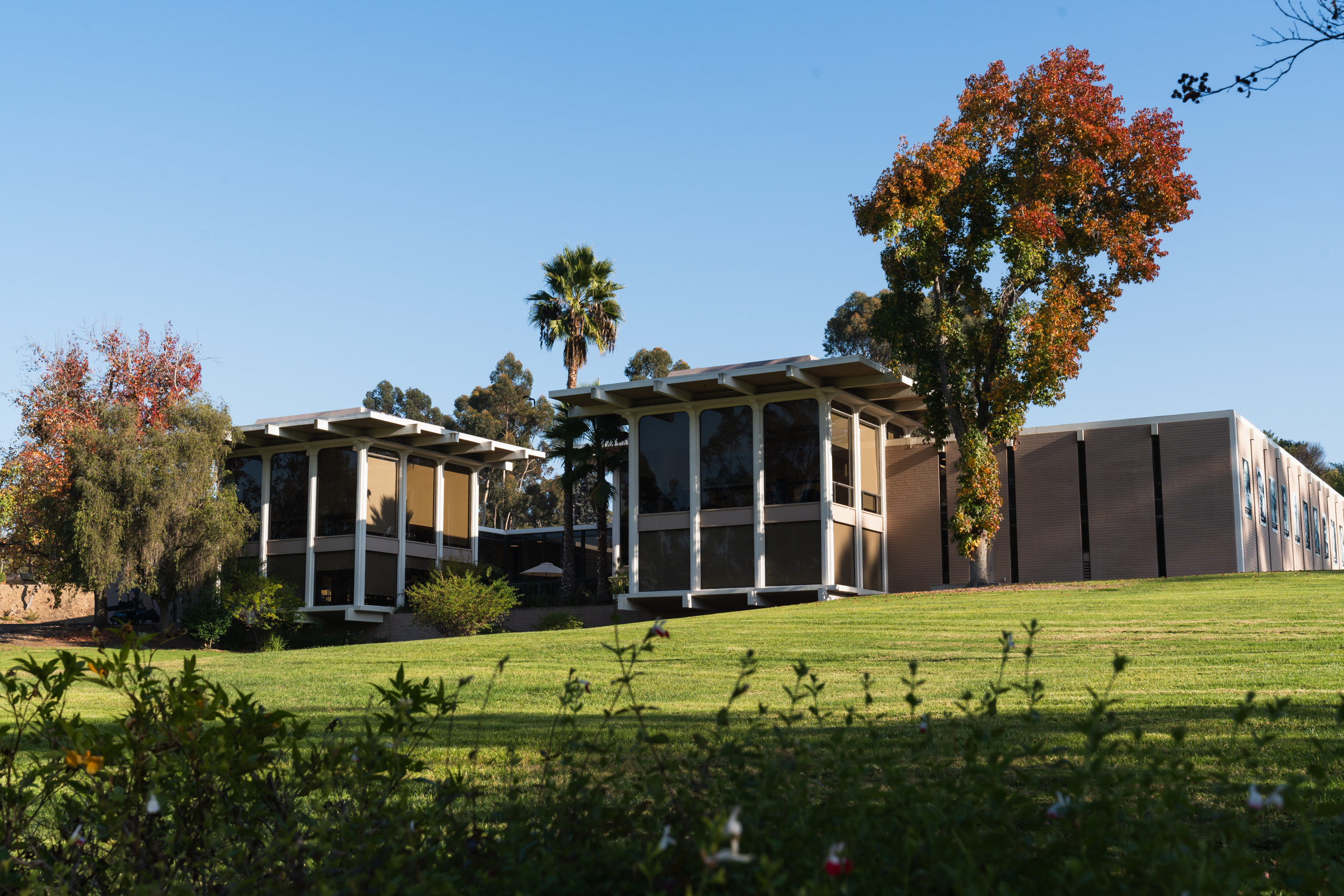
Best Day 1 CPT Programs for MBA and STEM Students
Compare the best Day 1 CPT programs for MBA and MS students. Explore Alliant University’s graduate options amid SEVP’s 2026 CPT guidance.
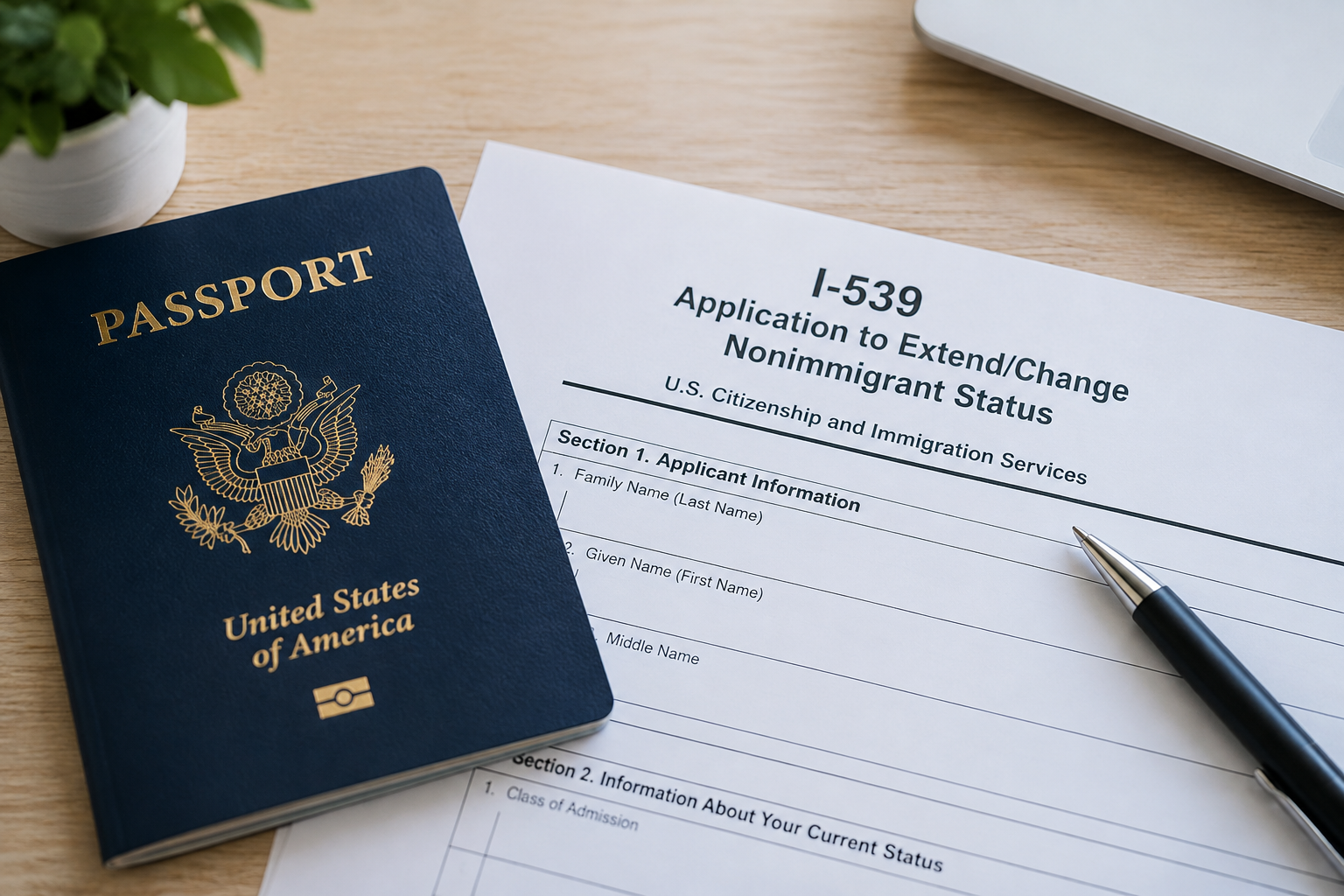
Form I-539 Denial Reasons and Who Needs to File in 2026
Form I-539 denials and extension of stay rules for F-1 students are easy to get wrong. See who files it and the mistakes you can avoid.

Duration of Status Rule Postponed: What October 2nd Means
A federal court postponed the DHS fixed-term admission rule. Duration of Status still applies to F-1 and J-1 students, and October 2 is not a deadline.
Check Your Eligibility
Please fill out the form and let us know what you think!